Blog · 26 October 2026
How to start a career in aesthetics
Thinking about a career in aesthetics? Here's how to choose your first course, build your skills and grow a professional practice.
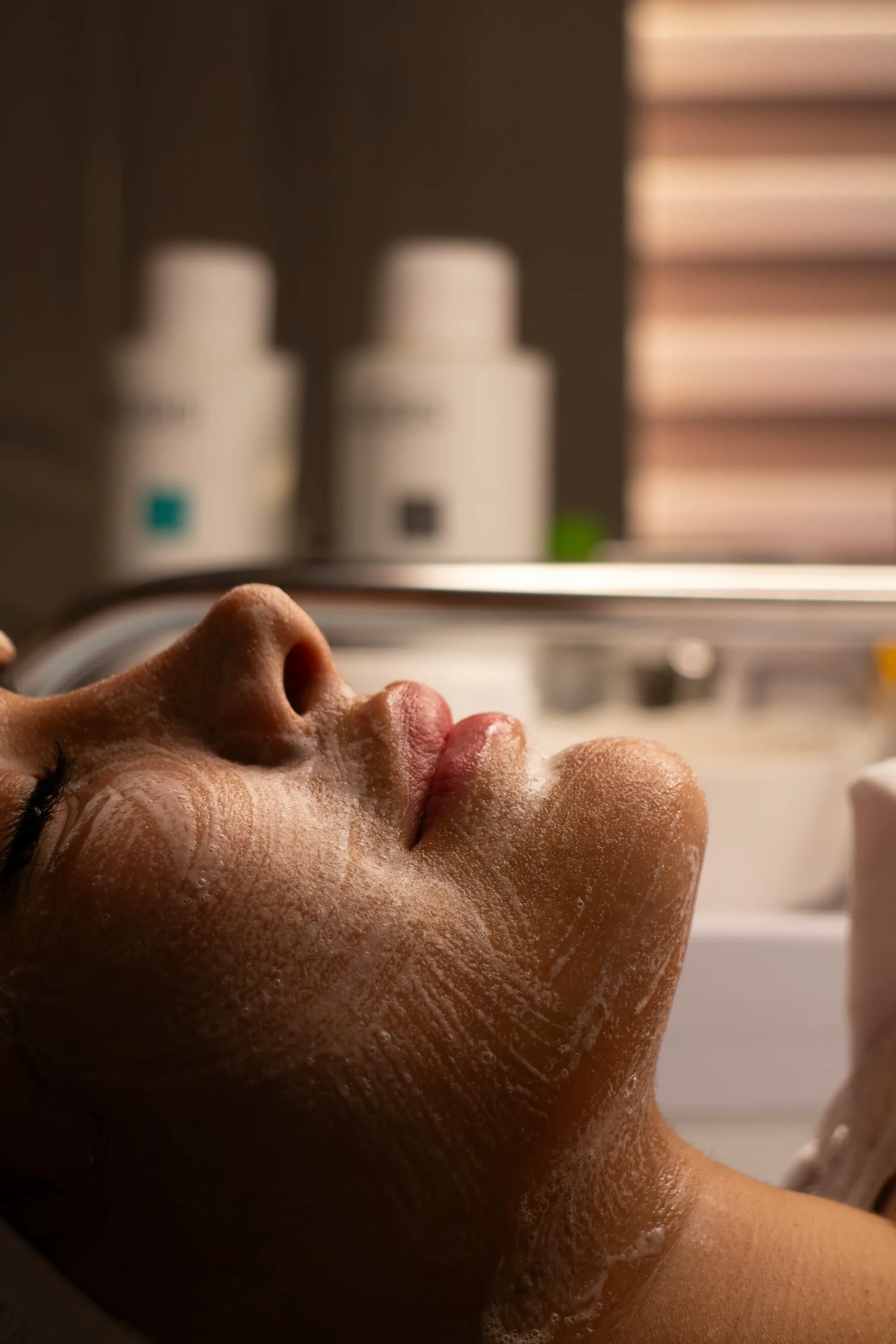
Aesthetics is one of the fastest-moving areas of the beauty and wellbeing industry. Demand for non-surgical skin treatments continues to grow, and many people are drawn to a career that combines science, creativity and helping clients feel more confident. If you’re thinking about joining the industry, the number of courses, levels and qualifications can feel overwhelming at first. This guide breaks down the journey into clear steps, from your first course to building a practice of your own.
Step 1: Understand what aesthetics involves
Aesthetics covers non-surgical treatments that improve the look and health of the skin. At the foundation and intermediate levels this includes skin assessment, chemical skin peels, skin needling and other skin rejuvenation treatments. At the most advanced levels it includes injectable procedures such as dermal fillers and anti-wrinkle treatments.
The work is hands-on and client-facing. You’ll spend time listening to clients, assessing their skin, explaining options honestly and planning treatments safely. Good practitioners combine technical skill with strong communication and a genuine interest in skin health.
Step 2: Work out your starting point
Your background makes a big difference to where you begin.
- New to the industry: most people start with Level 3 foundation training, which covers anatomy and physiology, skin science, consultation and safe working practices.
- Beauty therapists: you may already hold some relevant qualifications, which can help you move into advanced skin treatments more quickly.
- Healthcare professionals: nurses, dentists, doctors, pharmacists and other medics can often start at a more advanced level. Our Medics page explains this route.
If you’re unsure, ask a training provider to review your current qualifications before you book.
Step 3: Choose an accredited course
Look for courses that lead to recognised, regulated qualifications. In the UK, aesthetics qualifications are often awarded by organisations such as VTCT Skills, and are organised into levels from 3 to 7. A regulated qualification shows clients, insurers and employers that your training meets an agreed standard.
When comparing courses, ask:
- Which awarding body certifies the qualification?
- How much hands-on practice is included, and on how many models?
- What support is available after the course?
- What are the entry requirements for the next level?
Step 4: Build practical experience
Theory alone won’t make you a confident practitioner. The best courses include supervised practical training on real models, so you can learn to assess skin, perform treatments and manage client expectations in a realistic setting.
After qualifying, many new practitioners build experience by treating friends and family at a reduced rate, working alongside experienced practitioners, or joining an established clinic or salon. Keep careful records and before-and-after photos (with consent) to build your portfolio.
Step 5: Get insured and set up properly
Before treating paying clients, you’ll need appropriate insurance for the treatments you offer. Insurers will usually ask to see your qualifications, so keep your certificates safe. You’ll also need to think about where you’ll work, how you’ll store products safely, and how you’ll keep client records securely.
Regulation of non-surgical cosmetic procedures in the UK is changing, so stay up to date with any licensing requirements in your area.
Step 6: Progress through the levels
Many practitioners grow their skills over time, moving from foundation training to Level 4 skin rejuvenation, then to practitioner and specialist courses. Each new qualification lets you offer more treatments and treat a wider range of concerns. Our training pathway shows how the levels fit together.
Step 7: Build your client base
A successful aesthetics business is built on trust. Focus on:
- Honest consultations: recommend only what a client genuinely needs.
- Consistent results: follow protocols carefully and give clear aftercare.
- Communication: follow up after treatments and be easy to contact.
- Professional presence: keep your social media and website up to date with your qualifications and the treatments you offer.
Common mistakes to avoid
- Rushing to advanced treatments. Skipping the foundations leaves gaps in knowledge that matter when something unexpected happens. Build your skills level by level.
- Choosing a course on price alone. A cheaper course with little hands-on practice can cost more in the long run if you don’t feel confident treating clients.
- Forgetting the business side. Insurance, record keeping, pricing and marketing all take time to set up. Plan for them alongside your training.
- Stopping learning. Techniques and products change. The best practitioners keep training throughout their careers.
Ready to take the first step?
If you’re ready to start your aesthetics career, book a course with LVC Aesthetics, or send them a WhatsApp message with your background and goals. They can help you choose the right starting point and plan your route through the levels.
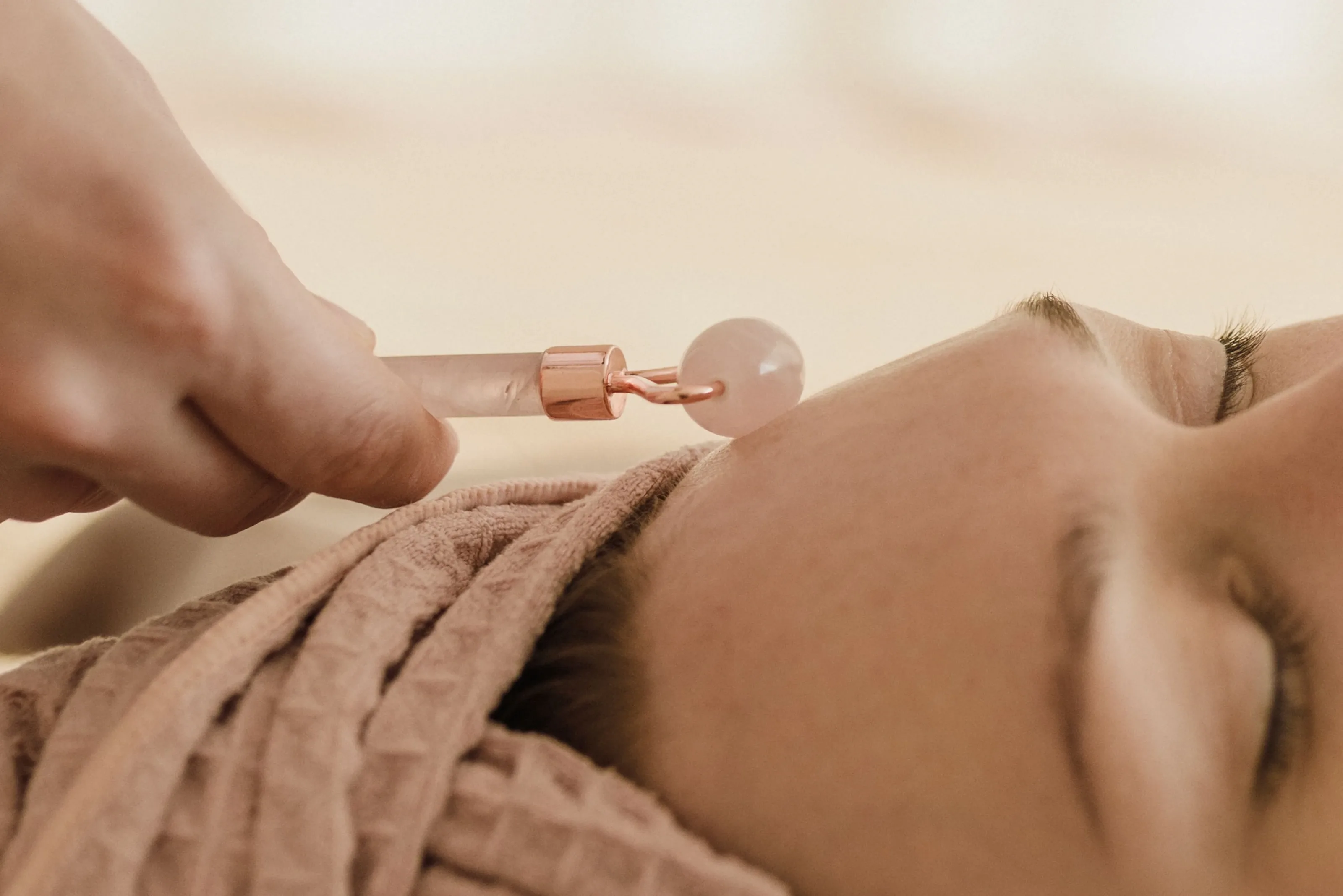

Ready to start your aesthetics career?
Book a course with LVC Aesthetics, or send a WhatsApp message with your questions about dates, prices and entry requirements.